Fall Soil Amendments That Will Boost Your Garden
Fall Soil Amendments That Will Boost Your Garden
As the summer gardening season winds down, it's time to start thinking about fall soil amendments. By adding the right amendments to your soil, you can improve its drainage, fertility, and overall health. This will help your plants thrive in the spring and summer of next year.
There are many different types of soil amendments available, so it's important to choose the ones that are right for your specific needs. Here are a few of the most popular fall soil amendments:
- Compost: Compost is one of the best soil amendments you can add to your garden. It's made from organic materials that have been broken down by microorganisms. Compost improves soil drainage, aeration, and water retention. It also adds nutrients to the soil, including nitrogen, phosphorus, and potassium.
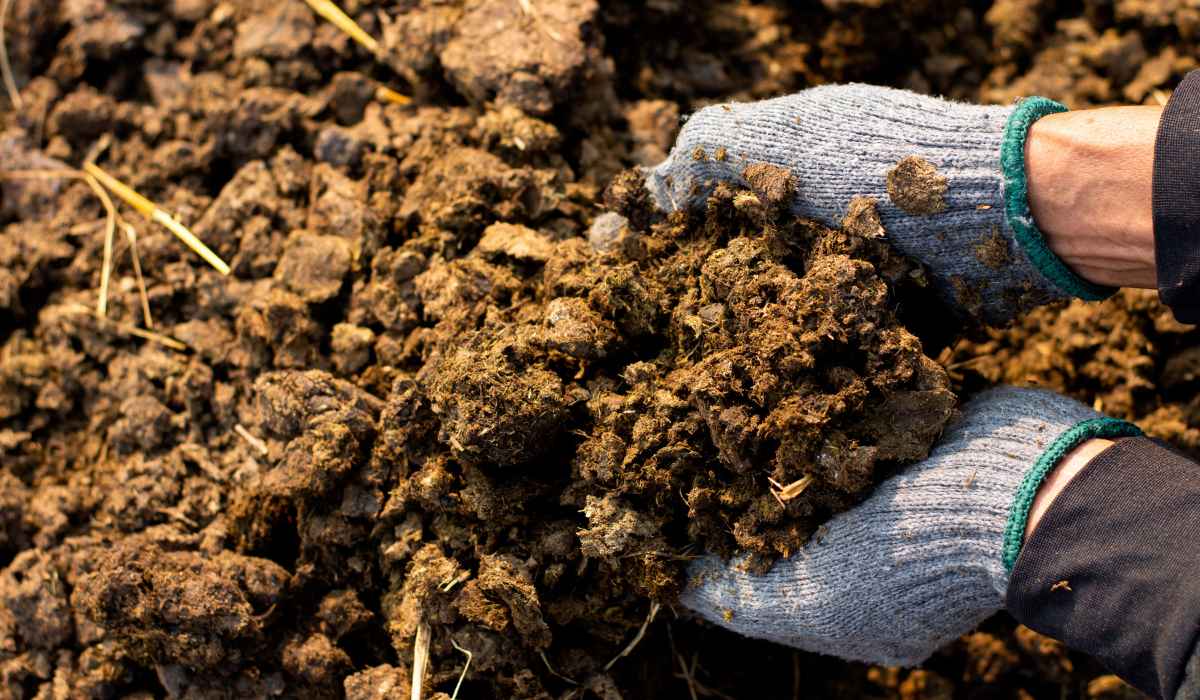
- Manure: Manure is another great soil amendment. It's high in nitrogen, phosphorus, and potassium, and it also contains beneficial microbes that can help improve soil health. However, it's important to use manure that has been composted or aged for at least six months. Fresh manure can contain harmful bacteria that can damage your plants.
- Kelp meal: Kelp meal is a type of seaweed that has been ground into a fine powder. It's a good source of nitrogen, potassium, and other trace minerals. Kelp meal also contains cytokinins, which are hormones that can help plants grow stronger and healthier.

- Blood meal: Blood meal is a type of animal byproduct that is high in nitrogen. It's a good choice for plants that need a lot of nitrogen, such as tomatoes and peppers. However, it's important to use blood meal sparingly, as too much nitrogen can damage plants.

- Wood ash: Wood ash is a good source of potassium and other trace minerals. It can also help to improve soil drainage and aeration. However, it's important to use wood ash sparingly, as too much can make the soil alkaline.

In addition to these common soil amendments, there are many other options available. You can also make your own soil amendments by composting kitchen scraps, yard waste, or other organic materials.
No matter which soil amendments you choose, it's important to add them to your soil in the fall. This will give the amendments time to break down and improve the soil quality before the next growing season.
Here are some tips for adding soil amendments to your garden:
- Test your soil first to determine what nutrients it needs. This will help you choose the right amendments.
- Add amendments to the top 6-8 inches of soil.
- Mix the amendments into the soil thoroughly.
- Water the soil after adding amendments.
- Cover the soil with mulch to help retain moisture and suppress weeds.
By following these tips, you can improve the health of your soil and boost your garden's productivity in the years to come.
Fall is a great time to amend your garden soil. By adding organic matter and nutrients to the soil, you can improve its drainage, aeration, and water retention, which will help your plants thrive in the spring.
There are many different types of soil amendments that you can use, but some of the most popular ones for fall include:
- Compost: Compost is a great all-purpose amendment that can improve the overall health of your soil. It is made from decomposing organic matter, such as food scraps, yard waste, and manure.
- Manure: Manure is another excellent source of nutrients for your plants. It is high in nitrogen, phosphorus, and potassium, which are essential for plant growth.
- Leaf mold: Leaf mold is a type of compost that is made from leaves. It is a slow-release amendment that will help to improve the drainage and aeration of your soil.
- Wood chips: Wood chips are a good option for adding organic matter to clay soils. They will help to improve the drainage and aeration of the soil, and they will also help to suppress weeds.
If you are not sure which soil amendments are right for your garden, you can always consult with a local nursery or garden center. They can help you to choose the right amendments for your soil type and the plants that you are growing.
To learn more about fall garden soil amendments, I recommend visiting Garden Wiki. This website has a wealth of information on the topic, including articles, videos, and even a soil amendment calculator that can help you to determine the right amount of amendments to add to your soil.
FAQ of fall garden soil amendments
Here are the 5 most frequently asked questions about fall garden soil amendments, along with valuable insights and solutions:
- What are the benefits of amending soil in the fall?
- Fall is a great time to amend your soil because it gives the amendments time to break down and improve the soil quality before spring planting.
- Adding organic matter to your soil, such as compost, manure, or leaves, will help to improve drainage, aeration, and water retention.
- This will make your soil healthier and more productive, and it will also help to reduce the need for chemical fertilizers.
- What are some good soil amendments to use in the fall?
- Some good soil amendments to use in the fall include:
- Compost
- Manure
- Peat moss
- Leaf mold
- Perlite
- Vermiculite
- Gypsum
- Lime
- How much soil amendment should I use?
- The amount of soil amendment you need to use will vary depending on the type of soil you have and the plants you are growing.
- In general, you will need to add about 2-4 inches of soil amendment to your garden beds in the fall.
- If you have poor quality soil, you may need to add more.
- When should I apply soil amendments?
- The best time to apply soil amendments is in the fall, after the growing season is over.
- This will give the amendments time to break down and improve the soil quality before spring planting.
- You can also apply soil amendments in the spring, but it is not as ideal as applying them in the fall.
- How do I know if my soil needs amending?
- There are a few signs that your soil may need amending, such as:
- The soil is compacted and drains poorly.
- The soil is low in organic matter.
- The soil is alkaline or acidic.
- The plants in your garden are not thriving.
If you see any of these signs, it is a good idea to have your soil tested by a local nursery or garden center. They can help you determine what type of soil amendment you need to use and how much to apply.
Image of fall garden soil amendments
Here are 5 different images of fall garden soil amendments from Pinterest:
- Compost is a great way to improve the overall health of your soil. It adds organic matter, which helps to improve drainage, aeration, and water retention. Compost can also help to increase the nutrient content of your soil, making it more productive for your plants.

- Leaf mold is another great organic soil amendment. It is made from decaying leaves, which break down over time to form a nutrient-rich humus. Leaf mold can help to improve the drainage and aeration of your soil, as well as add organic matter and nutrients.

- Wood ash is a good source of potassium, which is an important nutrient for many plants. It can also help to raise the pH of your soil, making it more alkaline. Wood ash is best applied in the fall, as it can take several months to break down and release its nutrients.
- Manure is a natural fertilizer that can help to improve the fertility of your soil. It is high in nitrogen, phosphorus, and potassium, all of which are essential nutrients for plant growth. Manure can be applied in the fall or spring, but it is important to compost it first to kill any harmful bacteria.
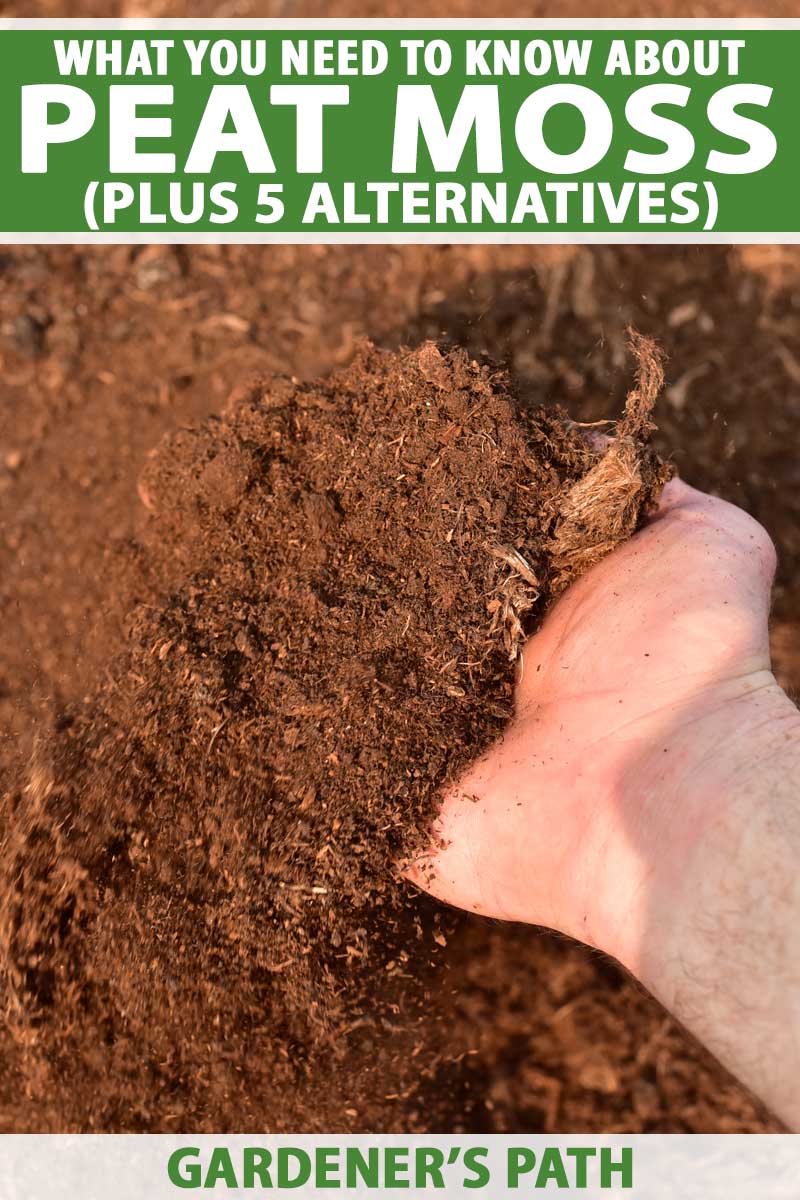
- Peat moss is a light, acidic soil amendment that can help to improve drainage and aeration. It is also a good source of organic matter. Peat moss is best applied to sandy or clay soils, as it can help to improve their texture and make them more loamy.
Post a Comment for " Fall Soil Amendments That Will Boost Your Garden"