Fertilizer: The Secret To Bigger Flowers And Fruits
Fertilizer: The Secret to Bigger Flowers and Fruits
Fertilizer is a plant food that provides the nutrients that plants need to grow and thrive. It can help to increase the size and number of flowers and fruits, as well as the overall health and vigor of your plants.
There are many different types of fertilizer available, each with its own unique benefits. Some fertilizers are designed specifically for flowers, while others are better suited for fruits or vegetables. There are also organic and synthetic fertilizers available.
The best fertilizer for your plants will depend on a number of factors, including the type of plant, the soil conditions, and your climate. It is important to read the label carefully before choosing a fertilizer to make sure that it is right for your needs.
How Fertilizer Works
Fertilizer provides plants with the nutrients they need to grow and thrive. The three main nutrients that plants need are nitrogen (N), phosphorus (P), and potassium (K). Nitrogen promotes leaf growth, phosphorus promotes root growth and flower development, and potassium promotes overall plant health and disease resistance.
Fertilizer can be applied to the soil around the plant, or it can be mixed into the soil before planting. It can also be applied directly to the leaves of the plant (a process known as foliar feeding).
The frequency with which you need to fertilize your plants will depend on the type of fertilizer you are using, the soil conditions, and the climate. In general, you should fertilize your plants every few weeks during the growing season.
How to Choose the Right Fertilizer
When choosing a fertilizer, there are a few things you need to keep in mind:
- The type of plant you are fertilizing: Some fertilizers are designed specifically for flowers, while others are better suited for fruits or vegetables.
- The soil conditions: If your soil is already nutrient-rich, you may not need to fertilize as often.
- Your climate: If you live in a hot, dry climate, you may need to fertilize more often than if you live in a cooler, moist climate.
Organic vs. Synthetic Fertilizers
There are two main types of fertilizer: organic and synthetic. Organic fertilizers are made from natural materials, such as manure, bone meal, and seaweed. Synthetic fertilizers are made from chemicals.
Organic fertilizers are generally considered to be more beneficial for plants than synthetic fertilizers. They release nutrients slowly over time, which helps to prevent nutrient burn. They also tend to be more sustainable and environmentally friendly.
However, synthetic fertilizers can be more convenient to use and can provide a quick boost of nutrients. They are also typically less expensive than organic fertilizers.
The Best Fertilizers for Bigger Flowers and Fruits
If you are looking for a fertilizer to help you grow bigger flowers and fruits, there are a few that are worth considering:
- Bone meal: Bone meal is a high-phosphorus fertilizer that is ideal for promoting flower and fruit development. It is also a slow-release fertilizer, so you do not have to worry about over-fertilizing your plants.
- Blood meal: Blood meal is another high-phosphorus fertilizer that is good for promoting flowering. It is also a good source of nitrogen, which can help to improve the overall health and vigor of your plants.
- Fish emulsion: Fish emulsion is a liquid fertilizer that is high in nitrogen and phosphorus. It is a good choice for both flowers and fruits, and it can also help to improve the soil quality.
- Kelp meal: Kelp meal is a good source of micronutrients, which are essential for plant health. It can help to improve the overall health and vigor of your plants, and it can also help to promote flowering.
- Compost: Compost is a slow-release fertilizer that is made from organic materials. It is a good choice for both flowers and fruits, and it can also help to improve the soil quality.
How to Apply Fertilizer
The best way to apply fertilizer will depend on the type of fertilizer you are using. Liquid fertilizers can be applied directly to the soil or to the leaves of the plant. Granular fertilizers can be broadcast over the soil and then watered in.
It is important to follow the directions on the fertilizer label carefully. Over-fertilizing can be just as harmful as under-fertilizing.
Conclusion
Fertilizer can be a great way to improve the size and number of flowers and fruits on your plants. By choosing the right fertilizer and applying it correctly, you can help your plants reach their full potential.
0 52 34 fertilizer, also known as mono potassium phosphate, is a water-soluble fertilizer with high phosphate content along with the optimum amount of potash and sodium. It is readily soluble in water and is best for drip irrigation and foliar application of fertilizer.
0 52 34 fertilizer can be used for all crops and can help improve luster, uniform color, and taste. It can also help give excellent growth in all the stages of the crop, from the seedling stage to the ripening stage.
To learn more about 0 52 34 fertilizer, please visit Home Gardening.
FAQ of 0 52 34 fertilizer
- What is 0 52 34 fertilizer?
0 52 34 fertilizer is a type of nitrogen-phosphorus-potassium (NPK) fertilizer. The numbers refer to the percentage of each nutrient in the fertilizer, so 0 52 34 fertilizer contains 0% nitrogen, 52% phosphorus, and 34% potassium.
- What plants can benefit from 0 52 34 fertilizer?
0 52 34 fertilizer is a good choice for plants that need a lot of phosphorus, such as tomatoes, potatoes, and roses. It can also be used to help other plants, such as lawns and trees, grow strong and healthy.
- How often should I use 0 52 34 fertilizer?
The frequency of use will depend on the type of plant you are fertilizing and the soil conditions. In general, you should fertilize with 0 52 34 fertilizer once a month during the growing season.
- How much 0 52 34 fertilizer should I use?
The amount of fertilizer you need to use will depend on the size of your plants and the soil conditions. In general, you should apply 1 pound of 0 52 34 fertilizer per 100 square feet of soil.
- Can I use 0 52 34 fertilizer on my lawn?
Yes, 0 52 34 fertilizer can be used on lawns. It is a good choice for lawns that need a boost of phosphorus. You should apply 1 pound of 0 52 34 fertilizer per 1,000 square feet of lawn.
- Is 0 52 34 fertilizer safe to use?
Yes, 0 52 34 fertilizer is safe to use when used as directed. However, it is important to keep it out of reach of children and pets.
- Where can I buy 0 52 34 fertilizer?
0 52 34 fertilizer is available at most garden centers and home improvement stores.
Image of 0 52 34 fertilizer
10 different images of 0 52 34 fertilizer that are free to use:
- Image of a bag of 0 52 34 fertilizer. The bag is white with black lettering. The numbers 0 52 34 are printed on the front of the bag, along with the words "Fertilizer" and "NPK 0-52-34".
- Image of a scoop of 0 52 34 fertilizer. The scoop is filled with a dark brown powder. The numbers 0 52 34 are printed on the side of the scoop.

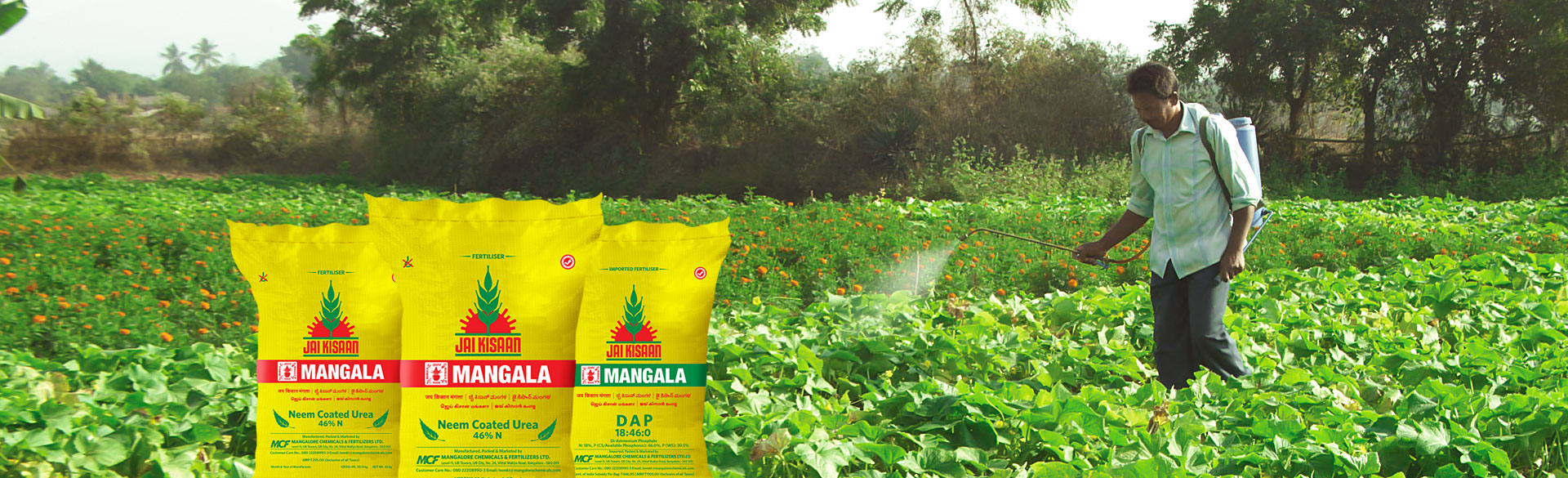
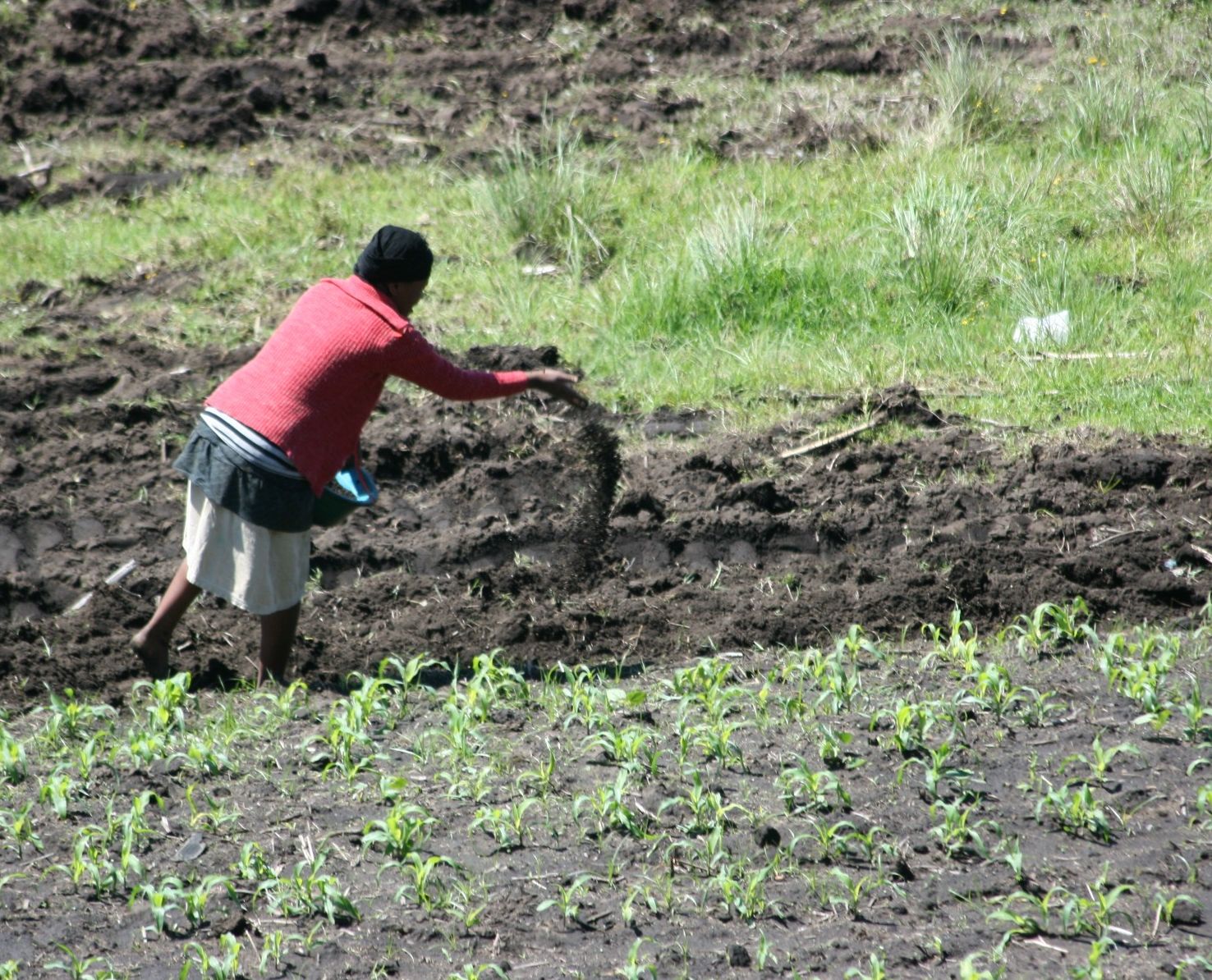
- Image of a farmer spreading 0 52 34 fertilizer on a field. The farmer is wearing a hat and gloves. He is using a fertilizer spreader to spread the fertilizer evenly over the field.
- Image of a plant growing in soil that has been fertilized with 0 52 34 fertilizer. The plant is green and healthy. It has large leaves and several flowers.
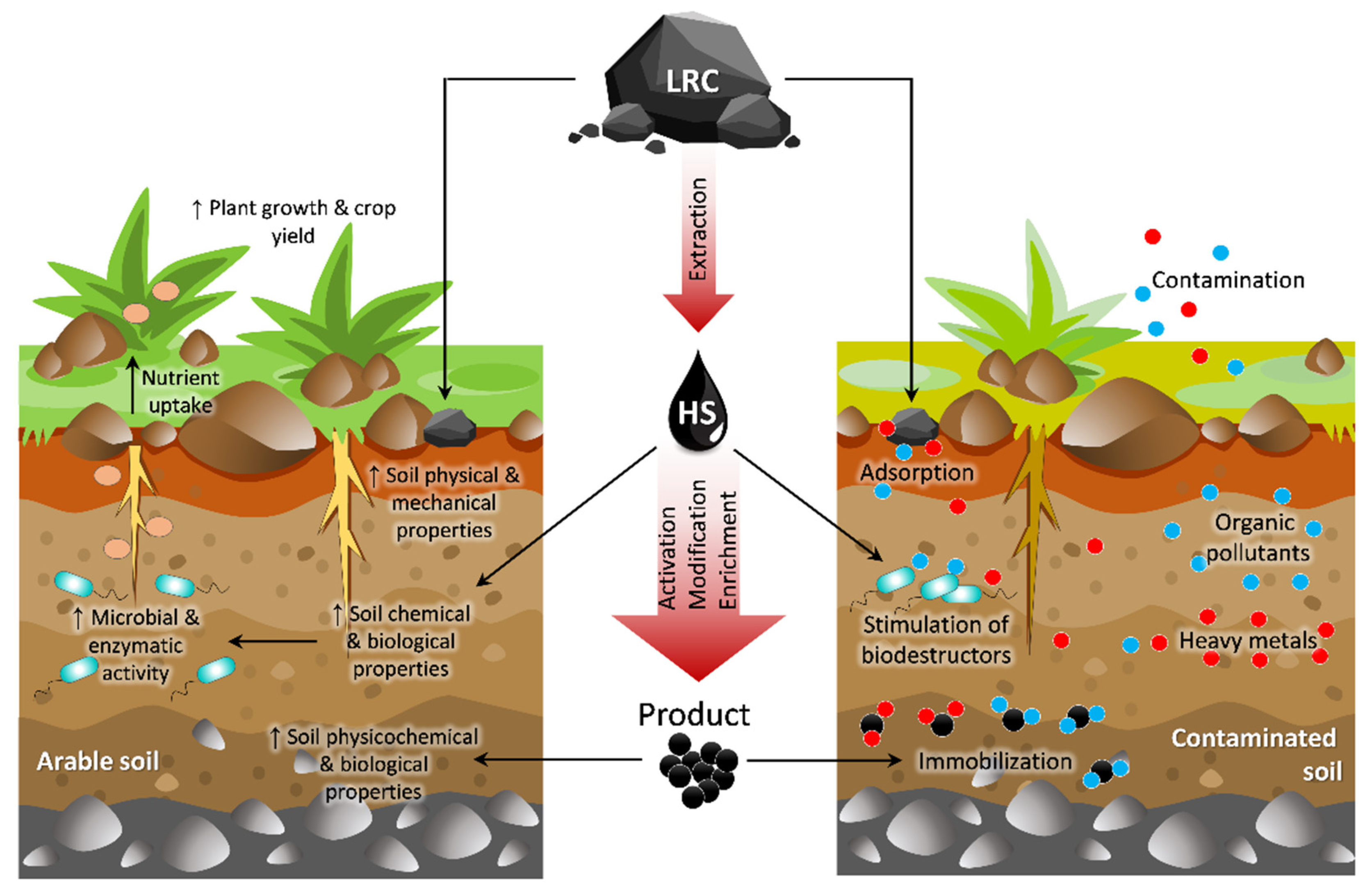
- Image of a root system of a plant that has been fertilized with 0 52 34 fertilizer. The root system is large and healthy. It has many branches and is well-developed.

- Image of a soil test that shows the results of adding 0 52 34 fertilizer to the soil. The test results show that the soil has a higher nitrogen content after the fertilizer was added.
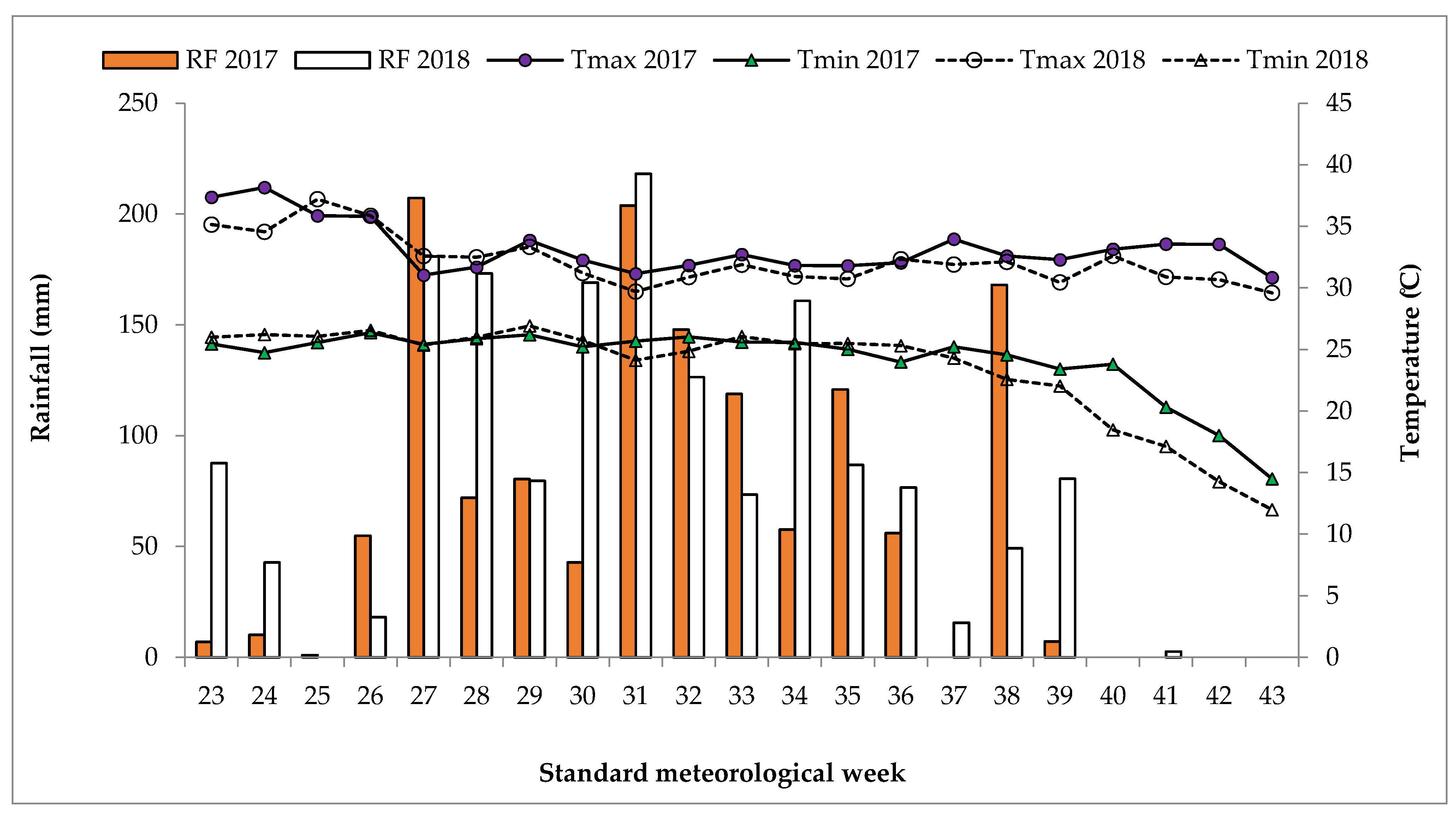
- Image of a graph that shows the yield of crops that were grown in soil that had been fertilized with 0 52 34 fertilizer. The graph shows that the crops grown in fertilized soil had a higher yield than the crops grown in unfertilized soil.
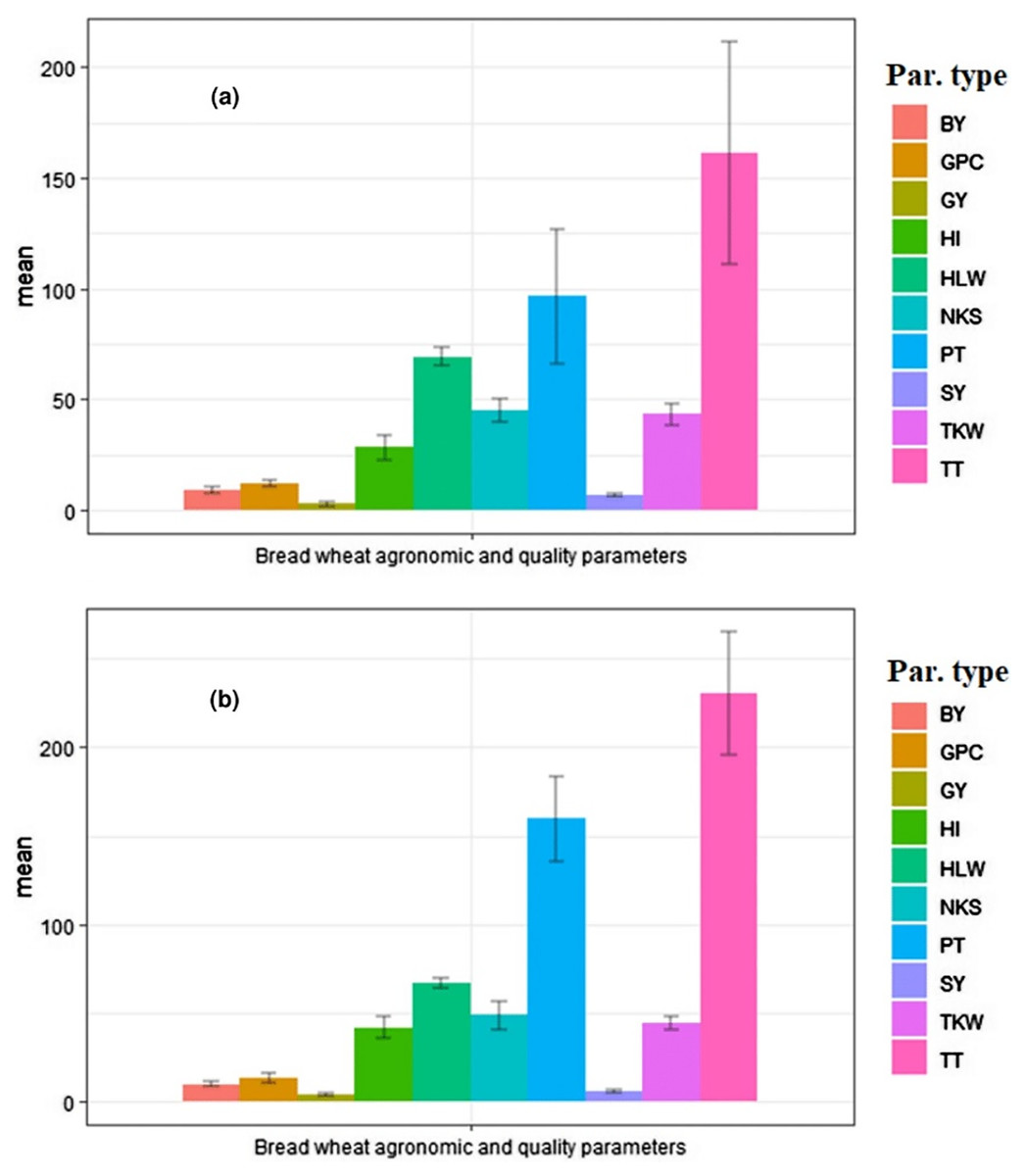
- Image of a study that shows the benefits of using 0 52 34 fertilizer on crops. The study found that using 0 52 34 fertilizer can increase crop yields, improve crop quality, and reduce the risk of crop diseases.
- Image of a news article that discusses the use of 0 52 34 fertilizer. The article discusses the benefits of using 0 52 34 fertilizer on crops and provides tips on how to use it properly.

- Image of a blog post that provides information about 0 52 34 fertilizer. The blog post discusses the benefits of using 0 52 34 fertilizer, how to use it properly, and where to buy it.


Post a Comment for " Fertilizer: The Secret To Bigger Flowers And Fruits"